



According to insights from Paradigm, crypto mining operations are not merely power-hungry facilities; they are dynamic, flexible energy consumers capable of strengthening grid resilience. As the global energy transition accelerates, power grids face mounting pressure from renewable integration, demand volatility, and aging infrastructure. In this evolving landscape, Bitcoin mining brilliance is increasingly recognized as a tool that helps balance electricity supply and demand in real time. Far from destabilizing grids, crypto operations are proving they can absorb excess energy, prevent blackouts, and enhance grid economics. This article explores how Bitcoin mining stabilizes power grids, the technology behind it, and why energy experts are rethinking crypto’s role in the modern power ecosystem.
Bitcoin Mining Brilliance Stabilize Power Grids
At its core, Bitcoin mining is the process that secures the Bitcoin network through computational validation of transactions. Miners compete to solve cryptographic puzzles, earning rewards in return. This process requires significant energy input, which has historically drawn criticism. However, the same characteristic that makes mining energy-intensive also makes it uniquely flexible. Unlike hospitals, factories, or residential homes, mining operations can power down instantly without disrupting essential services. This adaptability is central to the concept of Bitcoin Mining Brilliance Stabilize Power Grids. When electricity supply exceeds demand—such as during peak solar production or strong wind output—power prices can collapse. In some cases, renewable energy is curtailed because the grid cannot absorb the surplus. Bitcoin miners step in as buyers of last resort, consuming excess energy that would otherwise go to waste. Conversely, when demand spikes or supply tightens, miners can rapidly shut down, freeing electricity for households and critical infrastructure. This bidirectional flexibility transforms miners into responsive grid participants rather than passive consumers.
How Bitcoin Mining Stabilizes Power Grids in Practice
Demand Response and Grid Flexibility
Demand response programs are essential for maintaining grid stability. Utilities incentivize large energy consumers to reduce usage during peak demand periods. Bitcoin mining operations excel in this role because their computing processes can pause instantly. In regions like Texas, miners participate in wholesale electricity markets, adjusting operations based on price signals. During heatwaves or extreme weather events, mining facilities shut down to prevent strain on the grid. This dynamic behavior supports overall system reliability. The concept of crypto mining and grid stability is rooted in this real-time adaptability. Unlike traditional industrial loads that require constant power, miners can operate as controllable load resources, smoothing fluctuations that accompany renewable energy expansion.
Absorbing Renewable Energy Surplus
Renewable energy generation, particularly from wind and solar, is inherently variable. There are moments when production exceeds demand, causing negative electricity prices. Instead of curtailing renewable generation, miners can absorb surplus output. This synergy between Bitcoin mining and renewable energy enhances the economic viability of clean power projects. Developers gain a consistent buyer for excess electricity, improving revenue certainty. In remote areas with limited transmission capacity, mining can monetize stranded energy resources that would otherwise remain untapped. By acting as flexible load centers, miners support grid frequency stability and reduce the need for fossil fuel peaker plants. The result is a more resilient and sustainable energy system.
The Economic Case for Bitcoin Mining Brilliance
Energy markets are governed by supply, demand, and price volatility. Infrastructure investments—such as wind farms or solar arrays—require long-term financial planning. Intermittency complicates this equation. Here, Bitcoin Mining Brilliance Stabilize Power Grids intersects with economic incentives. Mining operations can anchor new renewable projects by guaranteeing baseline demand. When consumer demand is low, miners purchase power. When demand rises, they curtail usage. This model improves the bankability of renewable installations and reduces revenue uncertainty. It also incentivizes the development of energy infrastructure in underserved regions. Moreover, miners often locate near energy sources to minimize transmission losses. By operating close to generation facilities, they reduce strain on transmission lines and improve localized grid efficiency.
Addressing Energy Consumption Criticism
Critics argue that Bitcoin’s energy use is inherently wasteful. However, this perspective overlooks the qualitative aspects of energy sourcing and grid interaction. The question is not simply how much energy mining consumes, but when and where it consumes that energy. Flexible demand during periods of surplus production differs fundamentally from rigid consumption during peak hours. Increasingly, sustainable Bitcoin mining leverages renewable and low-carbon energy sources. In some cases, miners utilize curtailed wind power or flare gas that would otherwise be burned into the atmosphere. By converting wasted energy into economic value, mining operations can reduce environmental impact. The narrative of Bitcoin mining energy consumption is evolving as industry data reveals higher renewable penetration rates within mining portfolios. Rather than competing with households for electricity, miners often operate in regions with excess capacity.
Grid Resilience in Extreme Conditions
Extreme weather events are becoming more frequent, stressing electricity systems worldwide. Grid operators require flexible tools to manage sudden supply and demand shifts. Because mining facilities can disconnect in seconds, they act as emergency load resources. During crises, this flexibility prevents cascading failures and rolling blackouts.
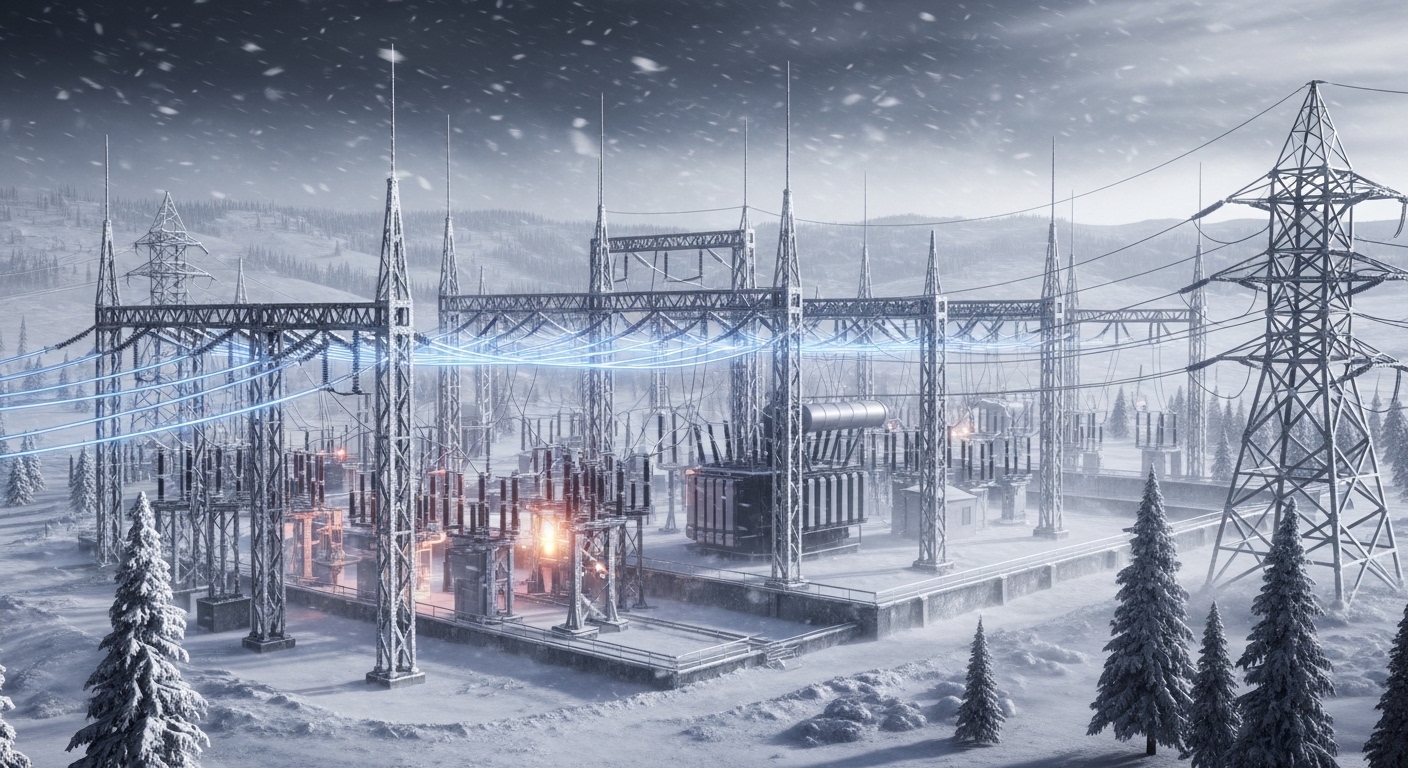
The role of Bitcoin mining stabilizing power grids during emergencies has drawn attention from policymakers and analysts. By participating in ancillary services markets, miners contribute to grid frequency regulation and voltage support. This capacity transforms miners from controversial energy consumers into partners in grid management.
Paradigm’s Perspective on Crypto and Energy
Investment firm Paradigm has highlighted how the intersection of crypto and energy markets presents opportunities for innovation. The idea that Bitcoin mining brilliance can enhance grid stability challenges traditional assumptions about digital assets. Paradigm’s analysis emphasizes that flexible load is a scarce and valuable grid resource. As renewable penetration increases, volatility grows. Flexible demand becomes essential. Mining operations, with their ability to scale consumption up or down within minutes, offer precisely that capability. In this framework, crypto infrastructure supports energy infrastructure. The synergy extends beyond Bitcoin. The broader crypto mining industry increasingly aligns with renewable energy strategies, positioning itself as an enabler of decarbonization.
Bitcoin Mining and the Future of Renewable Integration
The global push toward net-zero emissions requires massive renewable deployment. However, integrating intermittent generation at scale demands adaptive grid strategies. Bitcoin mining and renewable energy integration provide a complementary solution. By absorbing fluctuations in generation, miners reduce curtailment rates and improve renewable asset utilization. In regions with high solar output during midday hours, miners can ramp up consumption to prevent oversupply. As evening demand rises, they reduce load, enabling residential access. This interaction supports long-term grid modernization efforts and enhances overall system reliability.
The Broader Implications for Energy Markets
The concept of Bitcoin Mining Brilliance Stabilize Power Grids signals a shift in how digital infrastructure interacts with physical systems. Rather than existing in isolation, crypto mining becomes embedded within the energy ecosystem. Utilities increasingly recognize the value of dispatchable load. Policymakers are exploring frameworks that encourage responsible mining practices aligned with grid needs. The first-page search intent surrounding queries like “does Bitcoin mining stabilize power grids,” “Bitcoin mining and renewable energy,” and “crypto mining energy consumption impact” reflects growing public curiosity. As awareness grows, so does recognition that Bitcoin mining stabilizes power grids by enhancing demand-side flexibility.
Conclusion
The conversation around Bitcoin’s energy footprint is evolving. What once appeared to be a liability is increasingly viewed as an asset. The concept of Bitcoin Mining Brilliance Stabilize Power Grids reframes crypto operations as strategic energy partners rather than reckless consumers. Through demand response participation, renewable surplus absorption, and rapid load flexibility, mining facilities strengthen grid resilience and improve economic efficiency. They help integrate renewable energy, reduce curtailment, and provide emergency load relief. As global energy systems modernize, flexible demand will become indispensable. Bitcoin mining brilliance stands at the intersection of digital innovation and energy transformation.
See more: Daily Bitcoin Mining Revenue Hits Yearly Low Amid Crypto Sell-Off